
How to Choose the Right Thickness for POF Shrink Film in Your Packaging Line
Table Of Contents
- 1. Introduction
- 2. Common issues when using the wrong POF shrink film thickness
- 3. Factors that determine the ideal POF shrink film thickness
- 4. Product size and weight
- 5. Product shape and edges
- 6. Shrink tunnel temperature
- 7. Why do industrial buyers prefer POF shrink film?
Introduction
Packaging plays a very important role in protecting products, improving appearance and making sure items reach customers safely. One of the most common materials that is used across industries today is POF shrink film. It is strong, flexible and safe for food and suitable for almost all types of packaging lines but choosing the right thickness is extremely important. A lot of companies use the wrong shrink film thickness without realizing how much it affects performance. The wrong POF shrink film thickness, can actually waste material, increase costs and damage products or slow down the packaging line.
Common issues when using the wrong POF shrink film thickness
If the film is thinner than required it might not shrink properly. You might see wrinkles or loose packaging. The product might look really unattractive. If the film is thicker than required the shrink process takes longer and the film might not shrink properly the firm might even tear easily during handling and transportation. It is especially risky for sharp edged items or heavy products. Using a film thicker than needed increases material costs and energy consumption. You might even lose money without realizing it simply because you run an unnecessarily thick film.
Factors that determine the ideal POF shrink film thickness
To choose the right thickness you need to understand your product and your machinery.
Product size and weight
For small lightweight products you can use 12 to 15 Micron thickness. It works well for stationary cosmetics and even toys. Lightweight products need extra light flexible film that shrinks slightly tight without adding extra weight or cost. For medium sized products like books, electronics and plastic items are recommended messes around 15 microns to 19 microns also the product needs better strength and puncture resistance but still doesn't require very healthy film. For heavy or large products like automotive components or bulk food packs the recommended thickness is anywhere between 19 microns or 25 microns. Heavier products need a film that can withstand pressure and also resist tearing.
Product shape and edges
When it comes to shrink film for packaging, you need to consider the product shape and edges. Products with sharp corners and irregular shapes require extra strength. In such cases you can choose 19 Micron or 25 Micron. Smooth and soft products can use thinner films without issues. Packing machinery type Your shrink film for packaging must match the machinery's capability. You can use slightly thicker films because operators cannot control speed and temperature perfectly if you are using manual sealers. Recommended ranges 15 to 19 microns. For semi automatic L sealers you can choose 12 Micron or five Micron. Choose film based on the product weight.
Shrink tunnel temperature
According to packaging film suppliers, not all products can handle high temperatures. If your product is temperature sensitive you can choose thinner films. For example you can use low temperature shrink options for chocolate box food trays and cosmetics. For products that can handle high heat thicker films are really fine.
Why do industrial buyers prefer POF shrink film?
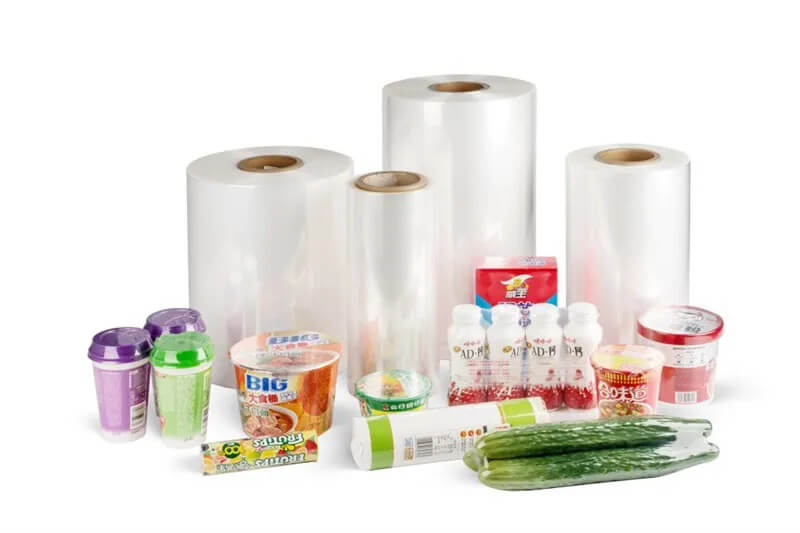
POF is one of the most preferred packaging films globally. Industrial buyers, packaging film suppliers and shrink wrap manufacturers India recommended for a lot of reasons. POF films offer excellent strength even at thin gorgeous. This is why you can pack many products using only 12 or 15 microns. It's safe for food items, confectionery, bakery items and frozen products. If the product needs attractive packaging PF gives a shiny vision perfect visibility. Even thin films can resist pressure and are impactful. This is why the film is used for toys, stationery and tools. From manual sealers to advanced automatic machines the film runs smoothly everywhere. Films use less plastic, have lower toxicity and are completely recyclable so they are completely eco friendly as compared to PVC. Choosing the right thickness film is more important than most buyers even realize. The wrong thickness leads to film based higher costs and product damage and slower production lines. But when you select the ideal thickness based on your product size machinery and temperature you can unlock major benefits like better protection and lower packaging costs whether you use 12,15 or 19 microns, the key is matching the film to your exact packaging requirements. Reliable manufacturers are completely experienced and will also help you select the right firms and optimize your packaging efficiency.